_11zon.png)
If you are planning for a Himalayan adventure, the Annapurna Base Camp trek (ABC Trek) in Nepal belongs at the very top of your bucket list. Reaching the foot of Mt. Annapurna I (8091m), which is the 10th highest mountain in the world. This Annapurna Base Camp Trek, whose difficulty level is moderate to challenging, rewards you with some of the best breathtaking mountain views on earth. The ABC trail is one of the beautiful trails where you will have cultural encounters, natural views, and a lot of activities.
This guide covers the entire thing about best things to do during annapurna base camp trek, so you can make the most of every step of your journey.
Watch the sunrise from Poon Hill
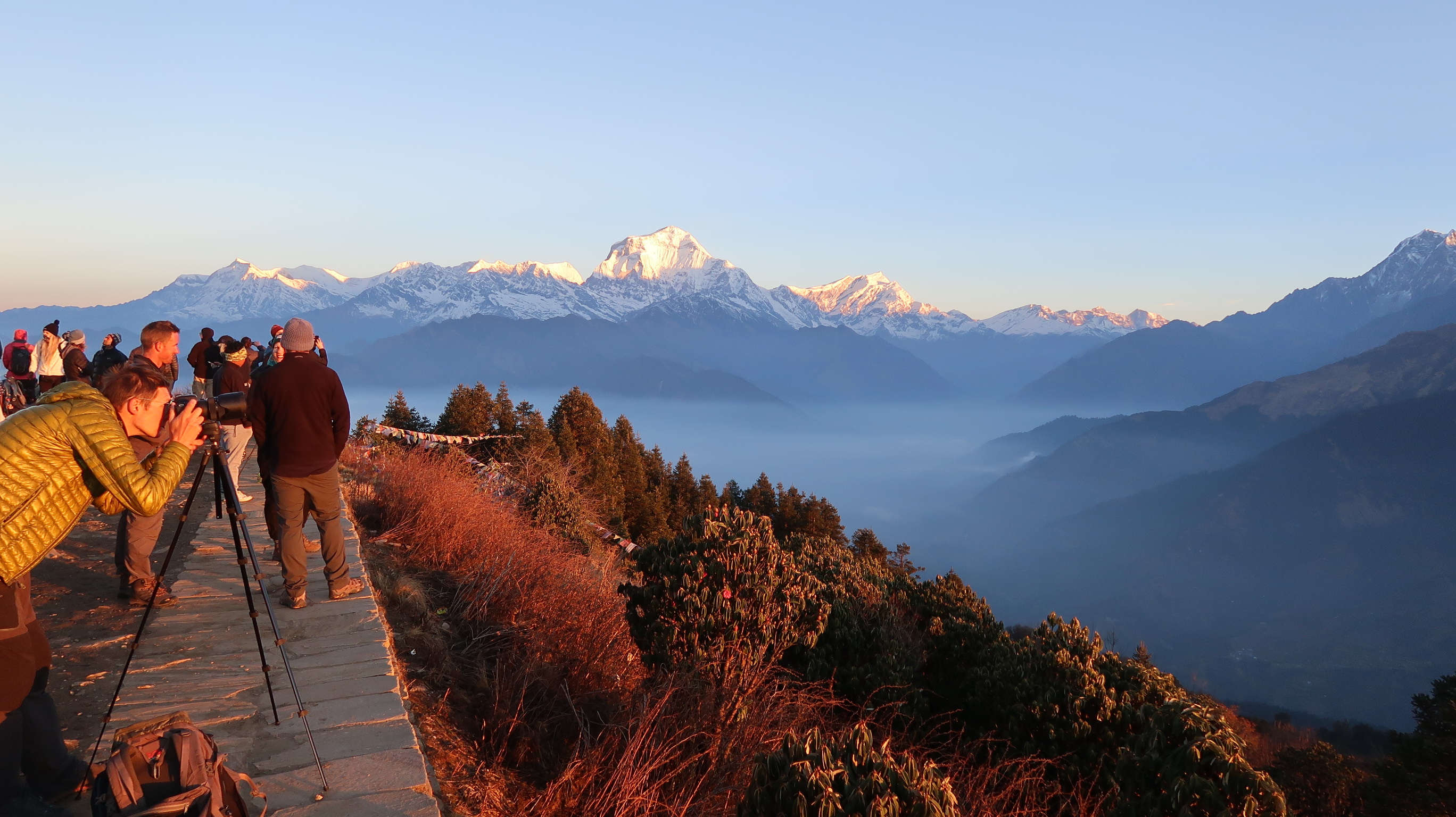
One of the most iconic things to do during the Annapurna Base Camp trek is waking up before dawn and hiking to the summit of Poon Hill (3210m). Most trekkers include this as add on via the Ghorepani route, and it is absolutely worth the early alarm.
You start to trek in darkness, hiking the steps of a trail, and arrive at the summit just as the first ray of light touches the Himalayan giants. The view from there is pure heaven. Mt. Dhaulagiri (8167m), Annapurna South, Annapurna I, Machhapuchre (Fishtail), Nilgiri, and dozens of other peaks glow gold and warm the view. Dozens of trekkers gather at the top viewing tower, yet somehow, the moment still feels personal.
Tip: Depart from Ghorepani by 5:00 - 5:15 AM to catch the full sunrise. Bring warm layers, it's cold at the top even in spring.
Trek Through Rhododendron Forest
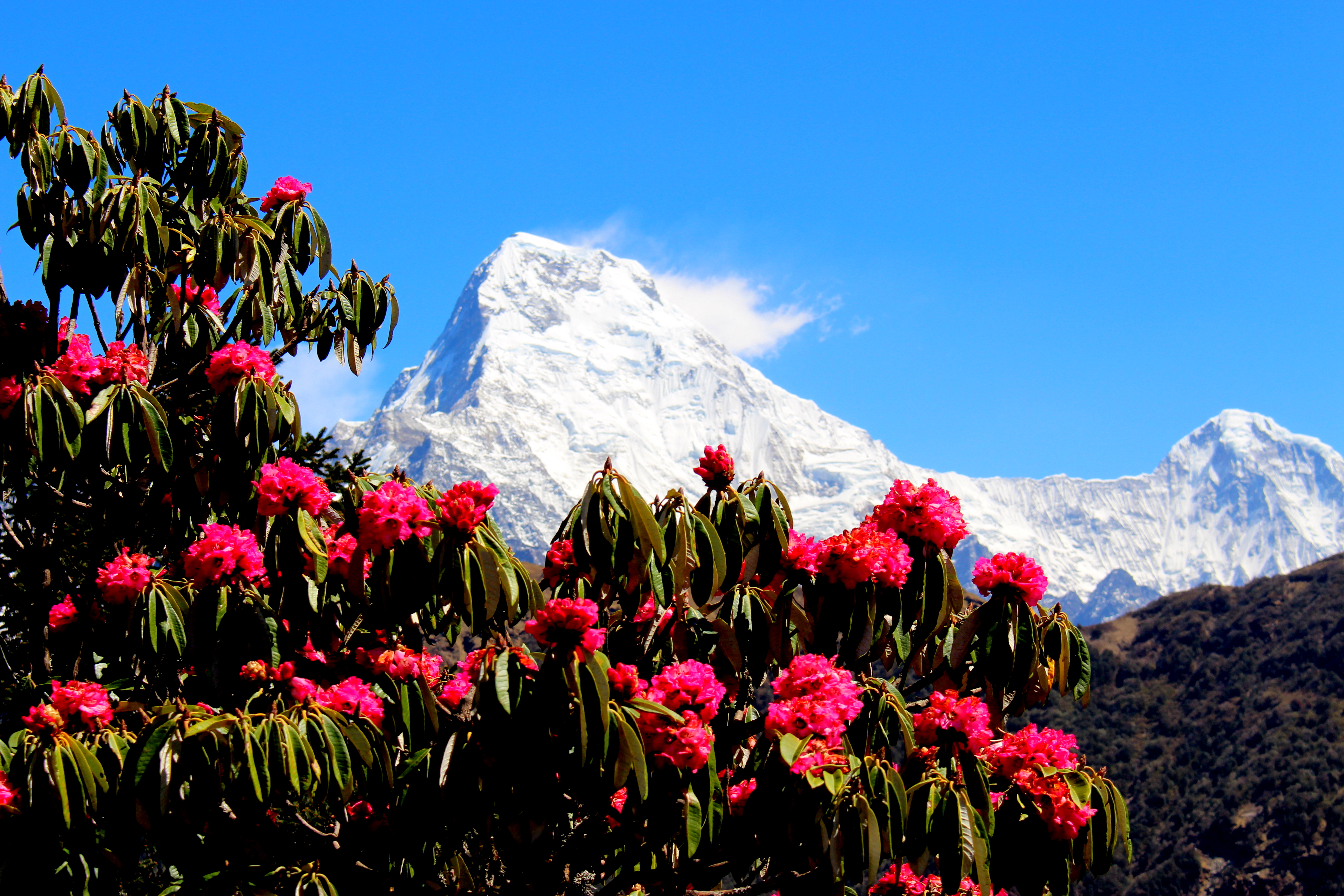
Between the village of Ghorepani and Tadapani, the trail passes through one of the most stunning stretches of rhododendron forest in the entire Himalayas. During spring (March to May), these forests explode into a red, white, and pink blossoms that paint the entire mountainside in color.
The rhododendron is Nepal’s national flower, and walking through the blooming trees at an altitude is a magical experience unique to this trek. The forest also welcomes the shade, a peaceful environment, clean air, and birds chirping, which makes the walk feel rejuvenating rather than exhausting.
Even outside the spring, the forest of bamboo, oak, and pine through the trail winds is beautiful in its own right, especially when morning mist settles among the trees.
Explore Gurung and Magar Villages
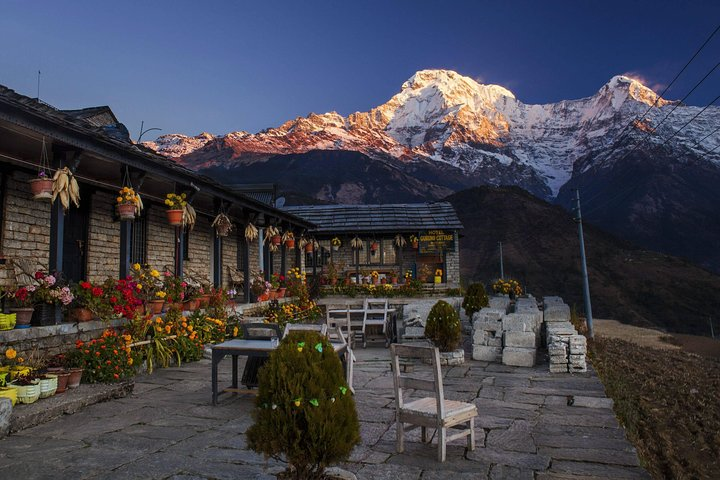
The ABC trail passes through some of Nepal’s most authentic mountain communities. Villages like Chhomrung, Ghandruk, Sinuwa, and Bamboo offer a rare view into the traditional lifestyle of the Gurung and Magar people, ethnic groups with a rich history, unique customs, and warmth toward visitors.
Chhomrung is a key checkpoint before entering the Annapurna Sanctuary. Settled on the ridge with Annapurna South and the Hiunchuli in view, the village has classic stone houses, terraced fields, and a teahouse owner who is happy to share stories over a cup of tea. One of the best activities to do during annapurna base camp trek is to walk slowly through the villages without rushing to the next camp.
Soak in the Hot springs at Jhinu Danda
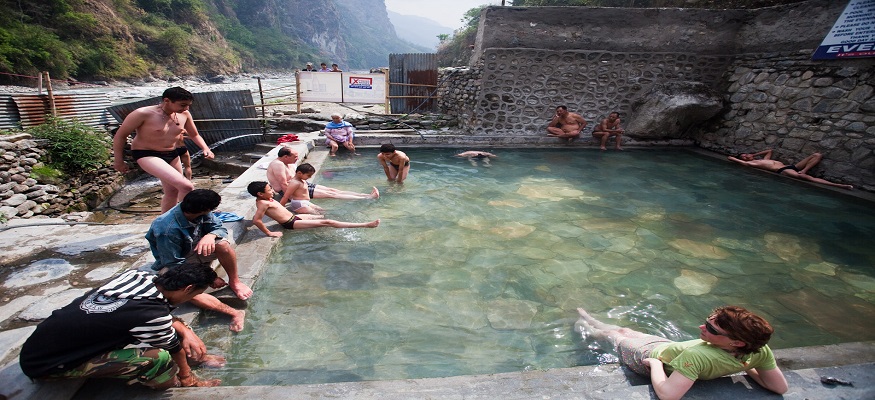
After days of hard trekking, your body will thank you for a stop at the natural hot springs at Jhinu Danda, located near the Chhomrong along the Modi Khola River. The geothermal pools are the highlights of the ABC trek.
The hot springs are open all year round. The feeling of getting soaked in warm water with all that body pain and the cold wind is an experience you won’t forget. Many trekkers plan their itinerary specially to stop here on the return journey.
Info: There is a small entry fee. The springs are a short descent from the main trail and are well signposted.
Walk Through the Annapurna Conservation Area
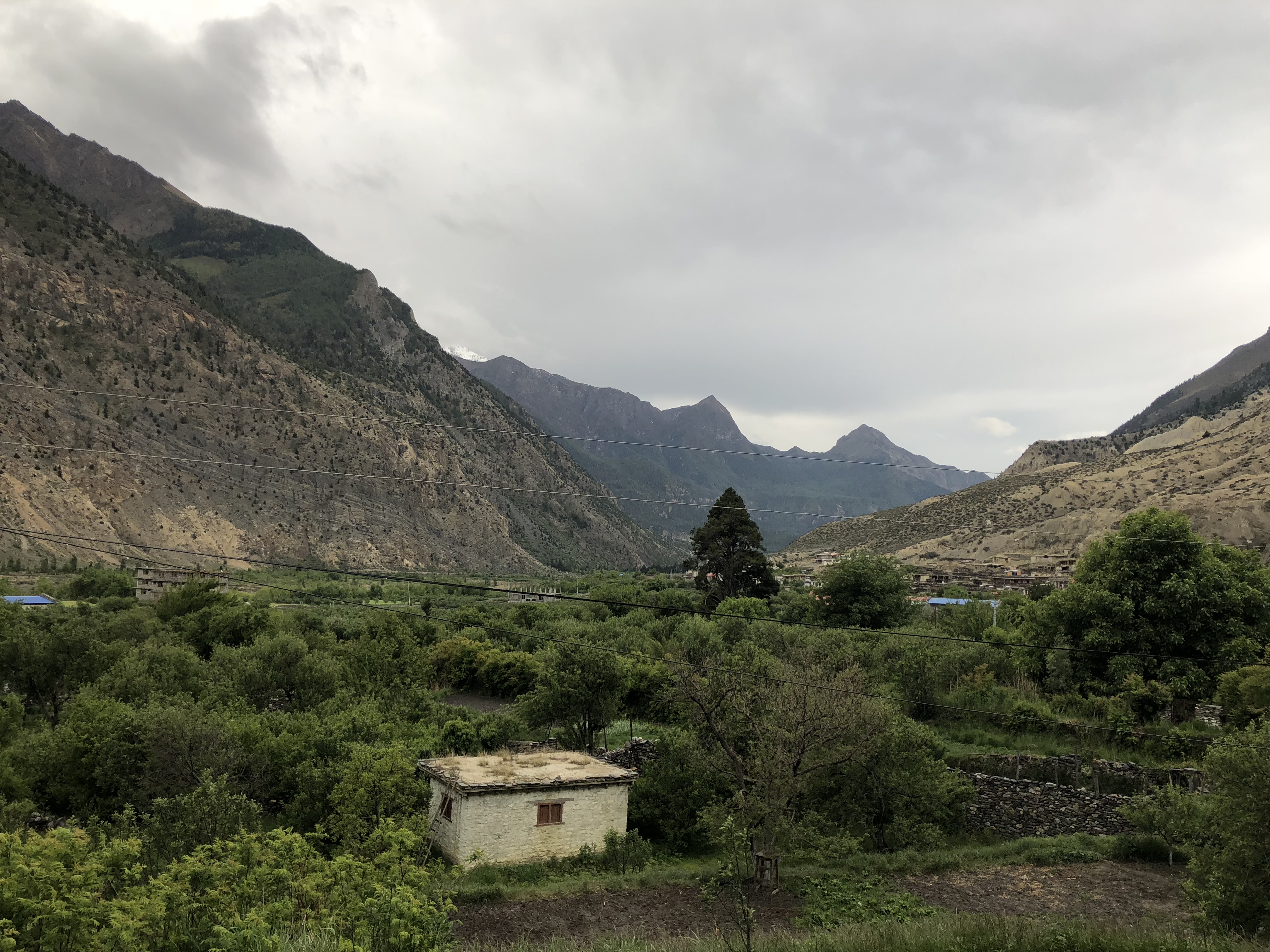
Most of the ABC trail comes under the Annapurna Conservation Area (ACA), the largest conservation area in Nepal, covering over 7629 sq km. Walking through the ACA is experiencing Nepal’s wilderness in its most protected and pristine form.
The conservation area protects an incredible variety of landscapes, ranging from subtropical lowlands and terraced agricultural land to thick forest. It is another habitat of endangered species and some of the rare ecosystems in the world. Trekking here refers to taking part in the conservation process since the entry fees are used to support local environmental and community development initiatives.
Required Permit: You will need an ACAP (Annapurna Conservation Area Permit) and a TIMS (Trekker’s Information Management System) card before entering the area.
Cross Thrilling Suspension Bridges
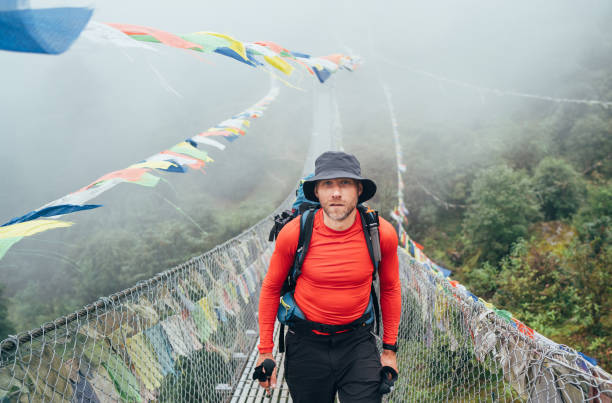
The best thing to do during the Annapurna Base Camp Trek is to cross the dramatic suspension bridges hung across deep gorges and roaring rivers along the way. These bridges, however, as well as the trail, are a constant and thrilling element between the long suspension bridge across Modi Khola near Jhino and the waving crossing across Chhomrong Khola at the base of the famous 2,500 stone steps.
Most of the bridges are filled with colorful prayer flags, and the scenes at the mid-bridge when the viewer gazes down to the swirling turquoise water way down the river are breathtaking and awe-inspiring. These bridges provide some of the most suggestive images of the whole adventure to photographers.
Spot Wildlife along the trail
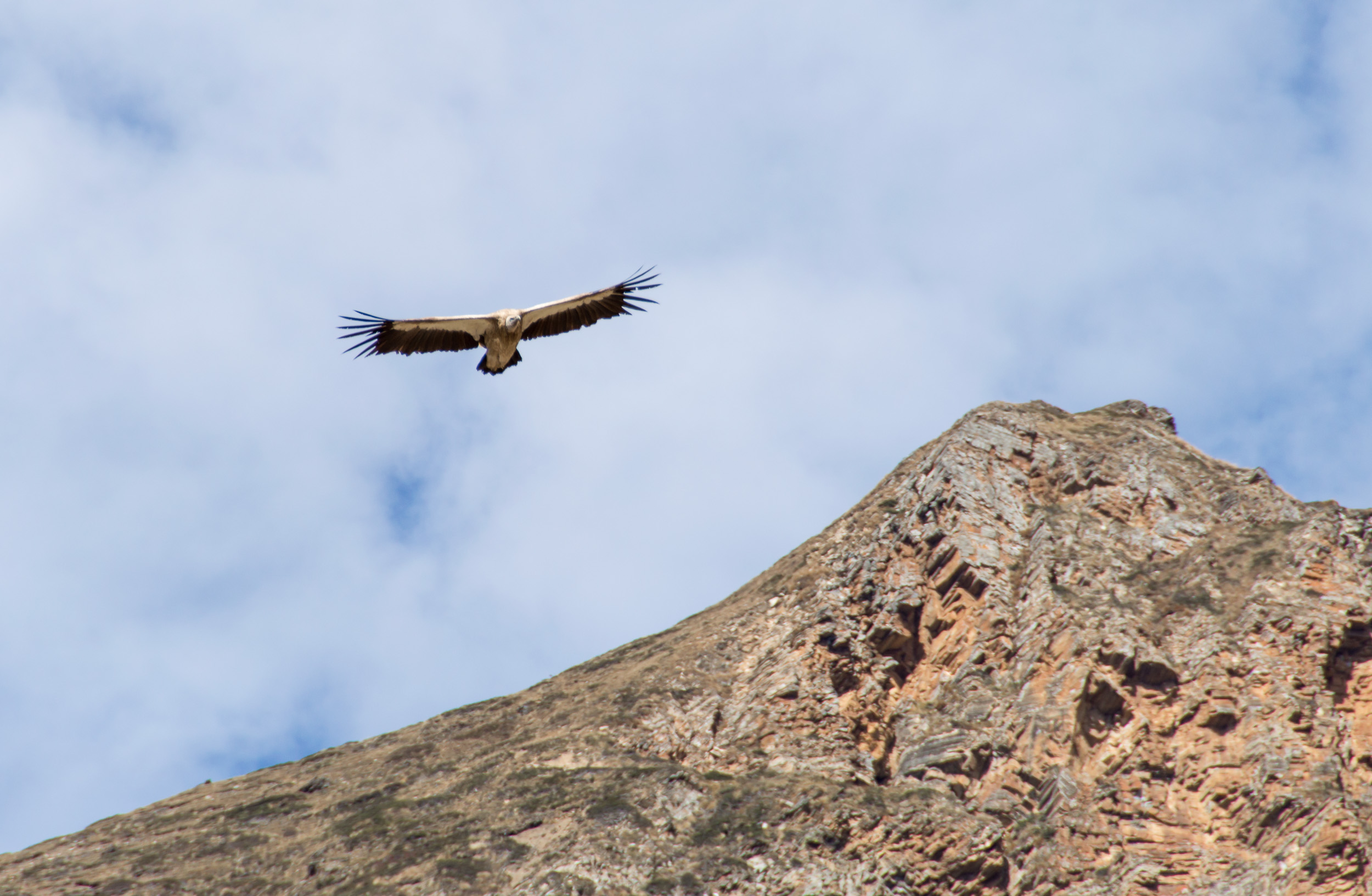
The Annapurna region is home to a diversity of wildlife, and keeping your eyes open as you walk can reward you with memorable wildlife encounters. Common sightings include:
- Langur monkeys swinging down the forest at lower altitudes.
- Himalayan thar (wild mountain goat) grazing on the high slopes of steep rocky mountains.
- Musk deer can be found at times in forested areas.
- Danphe (Himalayan Monal) - the national bird of Nepal, which has iridescent plumage, is located in rhododendron forests.
- Thermal riding eagles and vultures Riding the valleys.
These forests are also rich in bird life, making this ABC trek a rewarding experience for birdwatchers. Morning and long-distance throughout the trail, far from tea houses, are the most promising places for wildlife sighting.
Witness the 360° Panorama at Annapurna Base Camp
The main highlight of the Annapurna Base Camp trek is to stand inside the sanctuary at base camp. It is a natural glacier sanctuary that is surrounded by high mountains all around, with no obstructions to the view in any direction.
From here, you can see Annapurna I (8,091 m), Annapurna South (7,219 m), Annapurna III (7,555 m), Gangapurna (7,454 m), Hiunchuli (6,441 m), and Machhapuchhre (6,993 m). You can’t imagine the view reading this.
The majority of the trekkers come in the afternoon and subsequently spend the night in the camp to enjoy the sunrise at the base camp, which is probably the best part of the whole trek.
Taste Authentic Nepali Food at Teahouses
.jpg)
The ABC trail is a classic teahouse trek, meaning accommodation and food are provided by locally run lodges at each stop along the route. The Annapurna Base Camp trek is one of the richest cultural experiences of the journey.
Must try foods along the trail:
- Dal Bhat: Nepal’s national dish of lentils, soup, rice, and vegetables with unlimited refills, and it's the fuel that powers trekkers and porters.
- Garlic Soup: Widely believed to help with altitude acclimation.
- Thukpa: Hearty Tibetan noodle soup, perfect after a cold day on the trail.
- Selroti: A traditional nepali ring shaped doughnut, sometimes available in villages.
- Mo:mo: A Nepalese style dumplings can be found in many teahouses.
Most teahouses offer a variety of vegetarian and non- vegetarian, so you can find something that suits your dietary needs. Sitting down to a warm meal after a long day of trekking, sharing a table with other trekkers from around the world, is one of the simple pleasures that make the ABC experience so memorable.
Photography: Capture the Himalayas
The Annapurna Base Camp trek is one of the most photogenic journeys in the world, offering raw compositions at every turn. Whether you carry a professional camera or just a smartphone, the extraordinary shots are waiting at every stage of the route.
Some of the best photography opportunities are the suspension bridges framed against the forest, Chhomrong village with Annapurna South behind it at golden hour, poon hill sunrise, rhododendron forest trails, and local life in Gurung villages.
The diverse landscapes from subtropical valleys to high alpine glaciers give you the raw scenes from day to day, keeping your camera busy throughout.
Explore Pokhara Before or After Trek
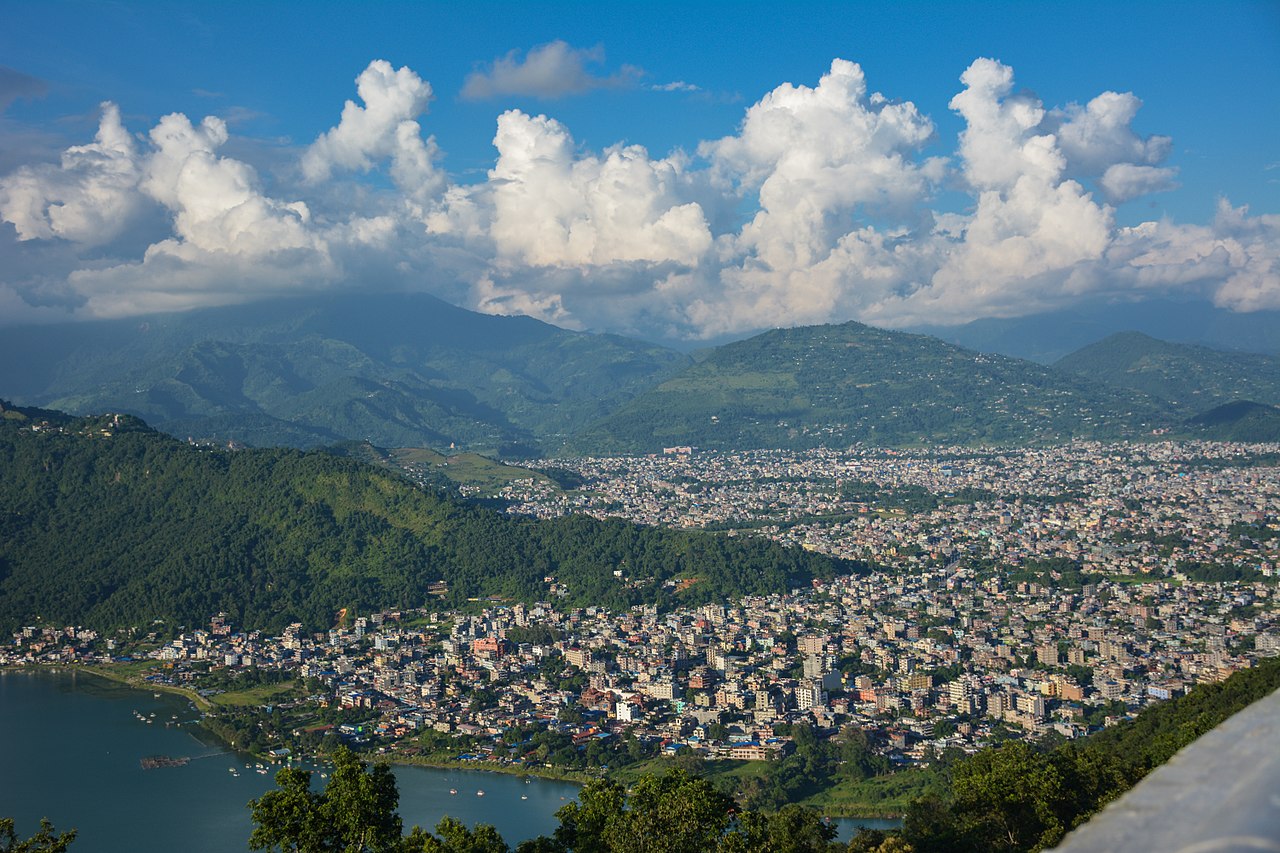
Pokhara is the entrance to the Annapurna region, and it deserves more than a night’s transit sleep. Nepal’s second-largest city sits on the shores of Phewa Lake, with the Annapurna range reflecting on its surface on clear mornings, which is one of the most photographed views of Nepal.
Things to do in Pokhara include:
- Kayaking on Phewa Lake and visiting the Tal Barahi temple on its island.
- Paragliding with the views of Himalays
- Visiting the International Mountain Museum - the best introduction to the history of Himalayan exploration
- Exploring the old bazars for local food, crafts, and atmosphere
- Watching the sunset over the lake from the Peace Pagoda hilltop
Give yourself at least two days in Pokhara, it is a wonderful city that richly rewards exploration.
Practical Information for the Annapurna Base Camp Trek
Detail | Information |
Best Season | Spring (March - May), Autumn (September-November) |
Trek Duration | 12-14 Days (Standard Itinerary) |
Maximum Altitude | 4130m/13550ft (Annapurna Base Camp) |
Difficulty | Moderate |
Total Distance | Approx 80-100 km round trip |
Permits Required | ACAP Permit + TIMS Card |
Gateway City | Pokhara (Fly or drive from Kathmandu) |
Accommodation | Teahouses throughout the route |
Tips for your ABC Trek
- Go slowly. The ABC Trek rewards patience. Build in extra days, stop in villages, talk to locals, and don’t just rush in a hurry to tick boxes.
- Acclimatize Properly. Altitude sickness is a real risk above 3000m. Ascend gradually, stay hydrated, eat garlic soup, and descend immediately if you experience severe symptoms.
- Travel with a licensed guide. A knowledgeable local guide doesn’t just keep you safe, but they also unlock the culture, history, and stories of every village and mountain you pass by
- Respect the environment. The Annapurna conservation area is protected for a reason. Carry out your rubbish, use refillable water bottles, and support teahouses that follow eco-friendly practices.
- Pack layers. The weather in mountain change rapidly. Even on a warm spring day, the temperatures of ABC and MBC can drop well below freezing after sunset.
Conclusion
The Annapurna Base Camp trek is not simply a walk in the mountains. It is a full immersion into one of the most amazing landscapes and living cultures on the planet. From the blazing rhododendron of spring to the thundering silence of the glacial amphitheater at 4130m, every day on this trail offers something extraordinary.
Whether you come for the mountains, the culture, the wildlife, the food, or to simply challenge yourself physically or mentally, there are more things to do during the Annapurna Base Camp trek than any single journey can fully exhaust. The Himalayas have a way of drawing people back, and the ABC trail, more than almost any other, makes you understand why.
Start planning your trek; the mountains are waiting.